
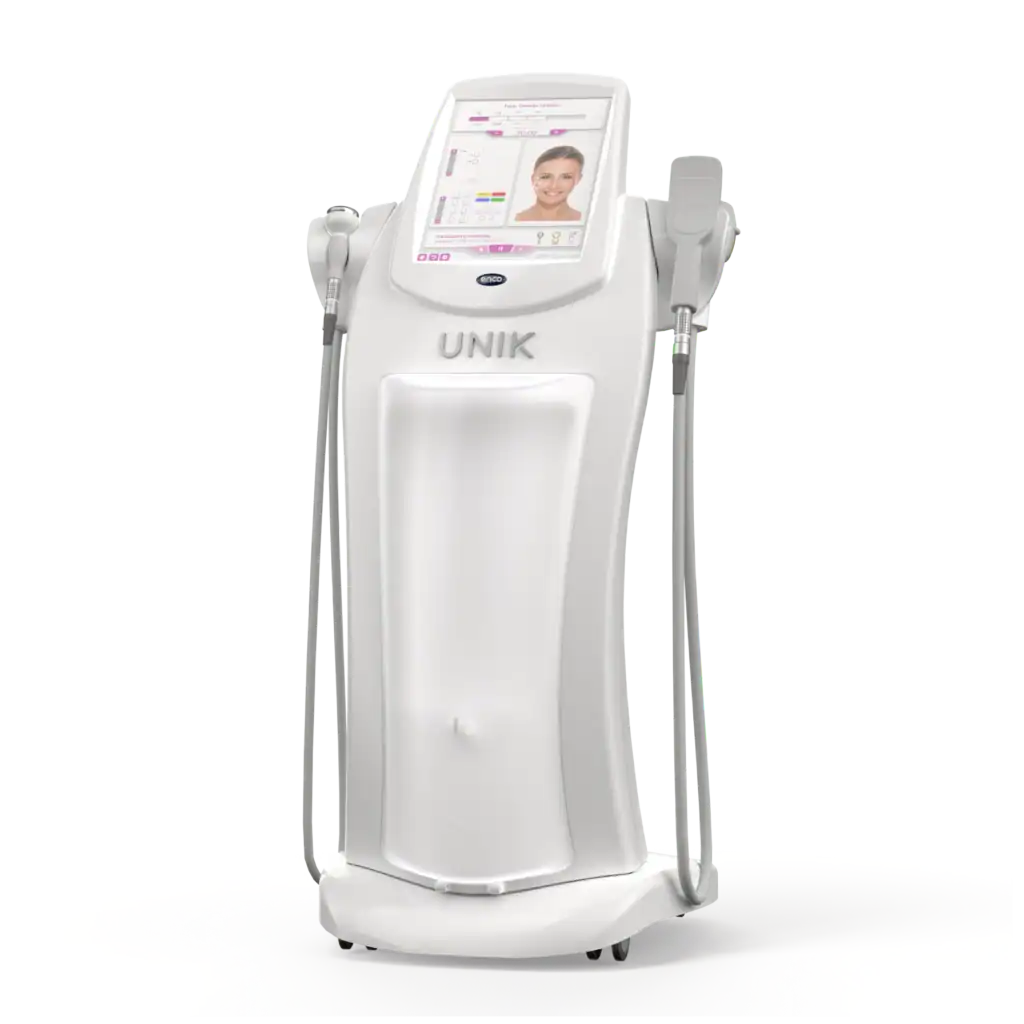



Plant exosomes: the cosmetics of the future
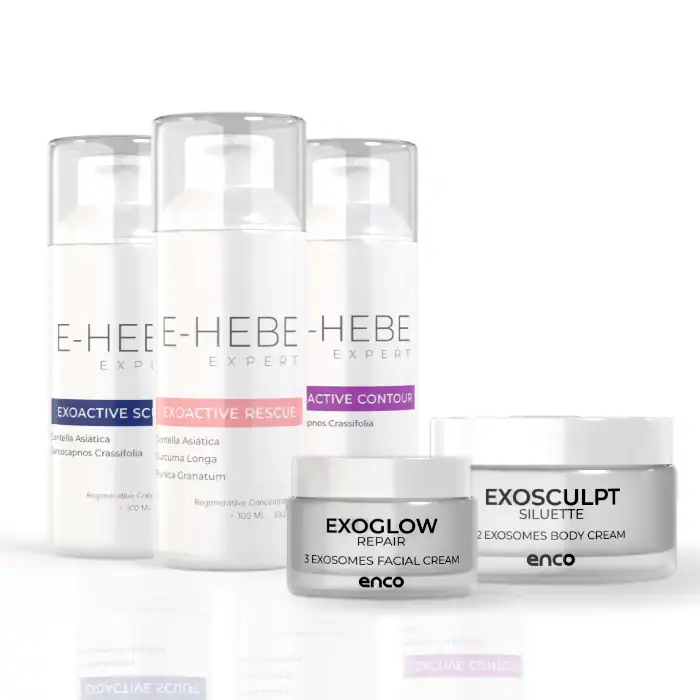
Plant exosomes: the professional cosmetics of the future
Professional aesthetics is moving towards an increasingly scientific, safe, and skin-friendly model. In this landscape of constant innovation, plant exosomes are emerging as one of the most promising active ingredients in advanced cosmetics, marking a turning point in facial and body treatments.
Far from being a passing trend, plant exosomes represent a new way of understanding skin care: they do not only act on the surface, but also stimulate the natural processes of skin regeneration .
What are plant exosomes?
Exosomes are microscopic extracellular vesicles whose main function is cell-to-cell communication . They act as biological messengers, transporting essential information—such as proteins, lipids, and signaling factors—that allows for the coordination of cell repair and renewal processes.
Plant-derived exosomes are obtained from plant cells and offer a safe and stable alternative aligned with current cosmetic regulations.
It is important to emphasize this point: compared to other types of exosomes that generate controversy or regulatory limitations, plant exosomes stand out for their excellent safety profile , making them the most suitable option for use in professional treatments.
Why are they considered the cosmetics of the future?
The key difference between plant exosomes and traditional cosmetic actives lies in their biomimetic mechanism of action . They don’t simply provide an external effect; instead, they send signals to the skin to activate its own regeneration mechanisms.
This approach responds to the natural evolution of the aesthetics sector, which is moving towards treatments:
More physiological and skin-friendly .
With progressive and lasting results.
Based on cellular stimulation , not overstimulation.
Therefore, plant exosomes are considered a key asset in advanced cosmetics and a fundamental component in new generation protocols.
Benefits of plant exosomes in facial aesthetics
When used in professional facial treatments, plant exosomes contribute to:
Improve overall skin quality .
To provide greater brightness and uniformity .
Promote skin renewal .
Enhance the results of facial rejuvenation protocols.
- Deeply hydrate and regulate hyaluronic acid .
Benefits of plant exosomes in body treatments
Although the focus has traditionally been on the face, plant exosomes have great potential in body aesthetics and are a key aspect in the protocols developed by Enco.
In body treatments, plant exosomes help to:
- Improve the quality and appearance of body skin .
- Support skin firming and revitalization protocols.
- Reduce fat accumulation, cellulite, and inflammation .
- Sculpt and tone the skin.
- Reduce the appearance of stretch marks and scars .
- Complement treatments aimed at improving tone and texture .
This versatility allows centers to offer advanced solutions for both face and body treatments, raising the level of service in the treatment room.
Strategic opportunity
Incorporating plant exosomes into the cabin not only improves results, but also provides a clear competitive advantage.
Allows:
To stand out in an increasingly demanding market.
To position itself as an innovative and up-to-date center.
Increase the perceived value of the treatments.
Building customer loyalty among those seeking advanced and secure solutions.
Talking about plant exosomes is talking about science, innovation and the future , three key concepts in today’s professional aesthetics.
Conclusion
Plant exosomes represent one of the greatest innovations in contemporary professional cosmetics. Their plant origin, safety profile, and ability to stimulate the skin’s natural processes make them an essential active ingredient in both facial and body treatments.
At Enco, we are committed to solutions that combine advanced cosmetics, professional technology and scientific rigor , supporting centers in their evolution towards increasingly effective, safe treatments aligned with the future of the sector.
Because the future of aesthetics is not just about treating the skin, but understanding and stimulating it from its own biology.

